
Designing a home that feels welcoming, organized, and stylish isn’t just about picking beautiful pieces—it’s about choosing the right furniture by space. Whether you’re decorating a cozy studio apartment or renovating an entire house, understanding how to select and place furniture based on specific areas ensures a functional and aesthetically pleasing environment. In this comprehensive guide, we’ll take you through expert tips, room-by-room strategies, and key considerations to make your interior design process smooth and successful.
Why Understanding Furniture by Space Matters
When you focus on furniture by space, you’re making deliberate design decisions based on how each area is used. This approach maximizes functionality, enhances comfort, and creates a flow that feels natural to anyone who walks through your home.
Great design doesn’t happen by accident; it happens by planning. And planning starts with understanding how furniture interacts with space.
Living Room: Balance Comfort with Functionality
Your living room is often the heart of your home—the place for relaxation, entertainment, and socializing. Choosing furniture for this space requires a blend of comfort and practicality.
Key Tips for Living Room Furniture
Measure before you buy: Ensure your sofa and chairs fit well without overcrowding.
Anchor the room: A statement rug can define the seating area effectively.
Think in zones: Separate conversation, media, and relaxation areas using furniture placement.
Focus on pieces that encourage interaction and comfort. For example, a plush sofa paired with a compact coffee table keeps the space open yet functional.
Bedroom: Create a Sanctuary with Purposeful Pieces
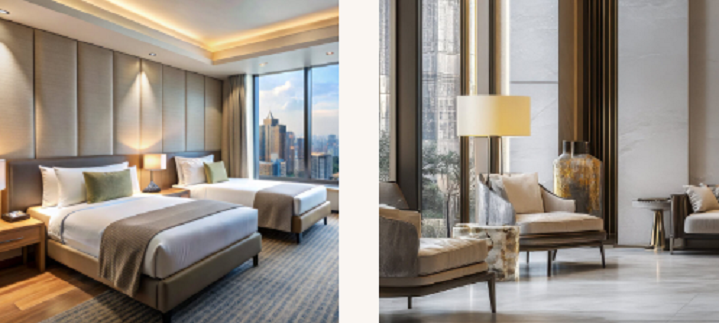
The bedroom should be a peaceful retreat—a place where comfort meets calm. When selecting furniture by space for bedrooms, prioritize serenity and practicality.
Bedroom Essentials
Bed frame and mattress: The focal point of the room—choose comfort over style alone.
Nightstands: Use matching or complementary bedside tables to maintain balance.
Dressers and wardrobes: Keep storage organized to reduce visual clutter.
Pro Tip: Position your bed as the centerpiece and allow space for movement around key furniture pieces.
Home Office: Productivity Starts with the Right Set-Up
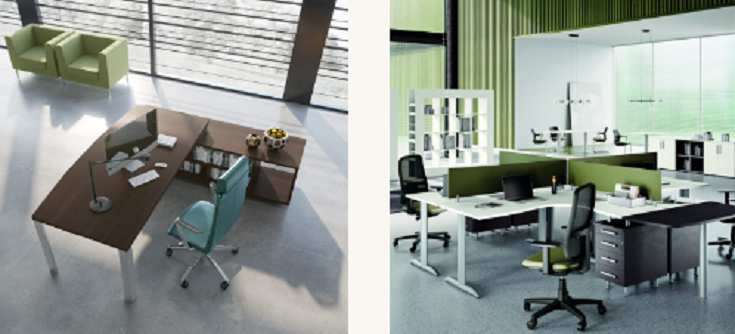
With remote work becoming commonplace, designing a home office that promotes focus is crucial. Your choice of furniture should support comfort, organization, and productivity.
Home Office Checklist
Ergonomic chair: Prioritize posture and comfort for long work hours.
Desk with storage: Keep essentials close but tidy.
Good lighting: Pair overhead lights with a desk lamp for balanced illumination.
Arranging office furniture to facilitate workflow can dramatically enhance your work experience.
Dining Area: Where Meals Meet Memories
Whether formal or casual, your dining space should strike a balance between function and style. Selecting furniture by space here involves understanding how many people use the area and how often.
Dining Furniture Guidelines
Table size: Select a table that accommodates your typical number of guests.
Seating flexibility: Bench seating or stackable chairs offer versatility.
Proportion matters: Ensure there’s at least 36 inches between the table and walls or nearby furniture.
Functional dining furniture enhances social gatherings and everyday meals alike.
Final Thoughts: Smart Furniture for Better Living
Choosing furniture isn’t just about aesthetics—it’s about enhancing how each room functions. By adopting a furniture by space mindset, you ensure that every piece in your home serves a purpose, complements the room, and contributes to a cohesive design narrative.
Remember:
* Plan based on usage and proportions.
* Prioritize comfort and functionality.
* Curate pieces that reflect your personal style.
Embrace the power of thoughtful design and transform your home into a space that feels intentional, beautiful, and uniquely yours.

Write a comment ...