
Creating a workspace today is no longer about filling a room with desks and chairs. It’s about shaping an experience—one that supports productivity, comfort, and creativity. The way we approach workplace furniture has evolved significantly, reflecting the changing nature of how people work, collaborate, and connect.
The Shift Toward Human-Centered Design
Modern offices are built around people, not just processes. Businesses now recognize that thoughtfully designed environments can influence performance, mood, and even long-term well-being. Furniture is no longer treated as decoration—it acts as the foundation of the entire workspace.
A well-planned setup of workplace furniture helps create an environment where employees feel supported both physically and mentally. From ergonomic chairs to flexible desks, every element contributes to a more balanced workday. Research shows that ergonomic designs reduce strain and improve comfort, directly impacting productivity and focus.
Flexibility Is the New Standard
One of the most defining trends in modern offices is flexibility. Static layouts are being replaced with adaptable configurations that can evolve with changing team dynamics.
Modular systems—like movable desks, reconfigurable seating, and portable partitions—allow businesses to redesign their spaces without major investment. This shift is largely driven by hybrid work models, where employees split time between home and office.
Flexible workplace furniture enables teams to collaborate when needed and focus individually when required. It turns the office into a dynamic environment rather than a fixed setup.
Ergonomics and Employee Well-Being
Comfort is no longer optional—it’s essential. Employees spend long hours at their desks, making ergonomics a critical factor in workspace design.
Height-adjustable desks, supportive seating, and monitor-friendly layouts are now standard in forward-thinking offices. These features help maintain proper posture, reduce fatigue, and prevent long-term health issues.
Beyond physical comfort, ergonomic furniture also contributes to mental clarity. When employees feel physically at ease, they can concentrate better and perform more efficiently. This is why investing in high-quality workplace furniture is increasingly seen as a strategic decision rather than a simple expense.
Technology Meets Furniture
As workplaces become more digital, furniture is evolving to support technology seamlessly. Today’s desks often include built-in charging ports, cable management systems, and even smart features that adapt to user preferences.
This integration reduces clutter and enhances workflow, making it easier for employees to stay connected and productive. Tech-enabled furniture ensures that the workspace keeps up with modern demands without sacrificing aesthetics or comfort.

Sustainability and Conscious Choices
Sustainability is shaping the future of office design. Businesses are now opting for furniture made from recycled materials, responsibly sourced wood, and low-impact manufacturing processes.
This shift reflects a broader awareness of environmental responsibility. Choosing sustainable furniture not only reduces a company’s carbon footprint but also creates a healthier indoor environment for employees.
Natural materials and biophilic elements—such as wood textures and greenery—are also gaining popularity. These features bring warmth into the office and help reduce stress while improving overall mood.
Creating Spaces That Inspire
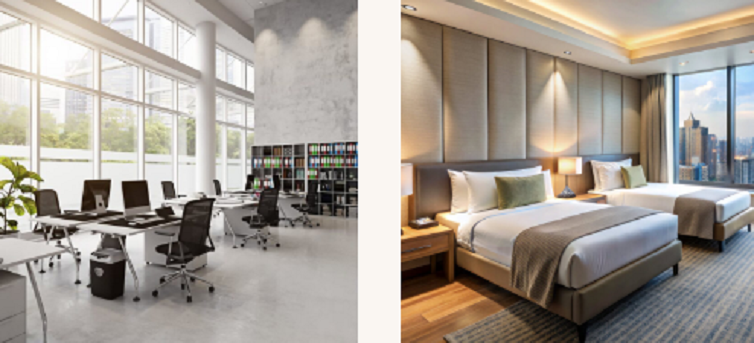
The modern workplace is no longer limited to rows of desks. It includes collaborative zones, quiet areas, and even lounge-style settings that encourage creativity and informal interaction.
Furniture plays a key role in defining these spaces. Soft seating, shared tables, and breakout areas allow employees to choose how and where they work. This freedom fosters innovation and strengthens team connections.
A thoughtfully designed office reflects a company’s culture and values. It sends a message that people matter—and that their environment is worth investing in.
Final Thoughts
The evolution of workplace furniture highlights a simple truth: better spaces lead to better work. By focusing on flexibility, comfort, technology, and sustainability, businesses can create environments that truly support their teams.
In the end, great workplaces aren’t just designed—they’re experienced. And the right furniture is what makes that experience meaningful.

Write a comment ...